How to Prepare Your Home for a Renovation: Step-by-Step Guide in Cádiz
Knowing how to prepare your home for a renovation makes the difference between a project that runs smoothly and weeks of unnecessary stress. In Cádiz, where many properties carry decades of history and their own structural quirks, load-bearing ostionera stone walls, interior courtyards, protected facades, thorough preparation matters even more than elsewhere. At Reformas By Bianca we've spent years supporting Cádiz families through this process, and we've found that clients who take a few days to get their flat properly ready before work begins save time, money, and a great deal of aggravation. This guide covers everything you need to know before the first tradesperson walks through the door.
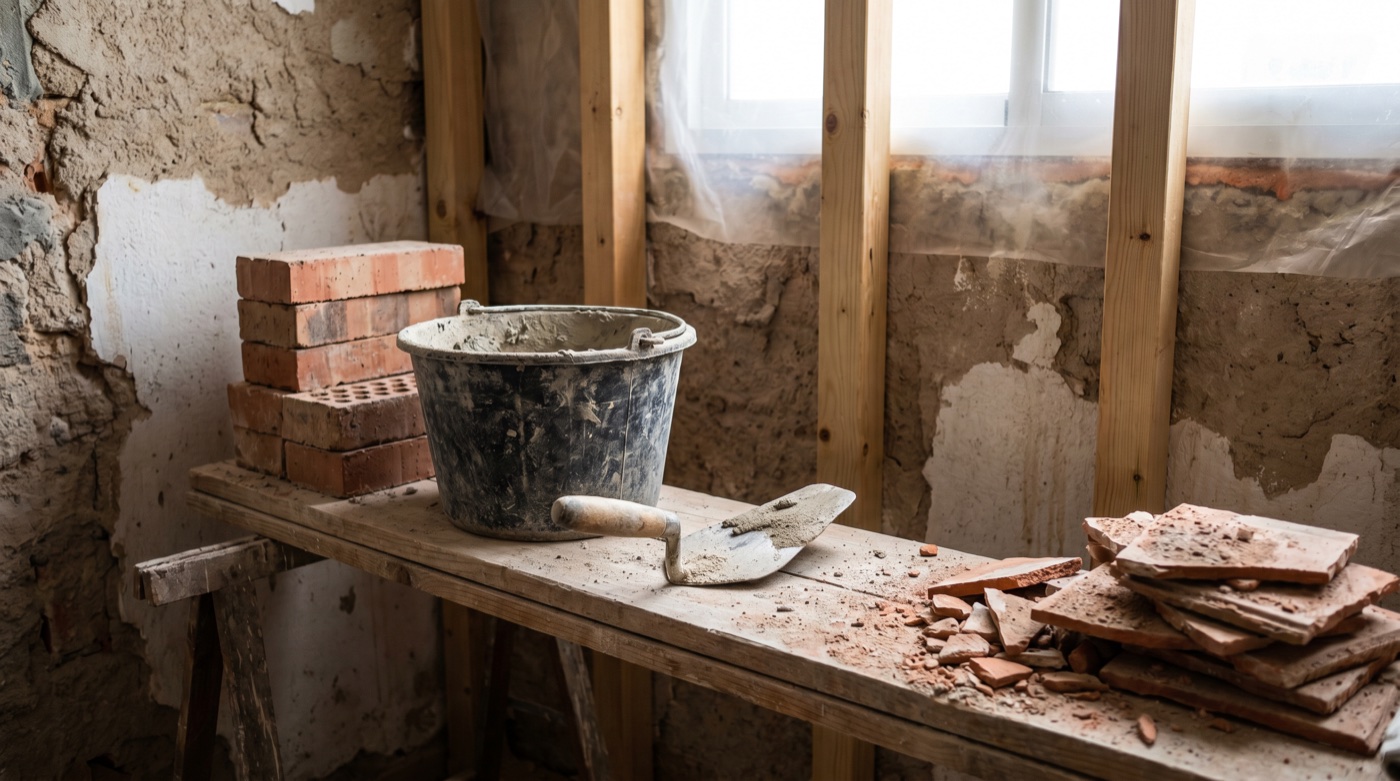
What to do before the tradespeople arrive
The first thing we recommend is clearing the rooms where work is to take place as thoroughly as possible. Simply pushing furniture to one side isn't enough: the more open the space, the faster the work progresses and the lower the risk of accidental damage. If you're having a full renovation, ideally the property should be completely empty. For partial renovations (redoing just the kitchen or a bathroom, for instance) you can consolidate your belongings in the rooms that aren't being touched.
Prepare your home for renovation, step by step
- 1Clear out and documentClear the rooms, disconnect appliances 24 h ahead, and take a photographic record.
- 2Protect what staysCover floors with card, wrap furniture in film, and seal off untouched rooms with plastic.
- 3Organise access and storageNotify the community, set aside a materials area, and arrange the skip permit (€50-80).
- 4Sort permits and licencesSelf-certification for minor works (€60-120) or a major works licence.
- 5Plan where to liveA full renovation takes 8-12 weeks: consider family or a short-term let.
- 6Align with the companyGo over the schedule, quote, guarantees, insurance and payment terms before day one.
Disconnect any appliances in the work area at least 24 hours before work begins. Empty the fridge if the kitchen is being renovated, and defrost the freezer well in advance. Take down pictures, curtains, ceiling lights, and any decorative elements from walls that are to be worked on. In properties in the casco antiguo of Cádiz, where ceilings often exceed three metres, it's especially important to remove heavy light fittings before any work at height begins.
Create a photographic record of your home's current condition. Photograph walls, floors, fittings, and joinery before work starts. This record lets you compare before and after, but it also serves as supporting evidence should anything need to be raised with your insurer. Make sure you locate and label the water stopcock, the main gas valve, and the consumer unit, as the tradespeople will need access to all of these from day one.
How to protect furniture, floors, and valuables during the renovation
Protecting what can't be removed is just as important as clearing out what can. Floors take the greatest punishment during a renovation: the constant foot traffic, dropped tools, and building dust can damage everything from an original 1960s terrazzo to a recently laid parquet. We always cover floors with thick protective card (at least 3 mm) or heavy-duty plastic sheeting before any building work begins.
Any furniture remaining in the property should be wrapped in stretch film or padded protective blankets. A 50 cm roll of stretch film costs between €8 and €15 at any hardware shop in Cádiz and will cover several large pieces. For valuables (artwork, antiques, delicate electronics) the safest option is to move them to a storage unit. In the Zona Franca and on industrial estates such as El Portal or Fadricas, self-storage companies offer units from €40 per month for a 3 m² module, which is more than enough for the essentials.
| Protective material | Recommended use | Approximate cost |
|---|---|---|
| 3 mm protective card (25 m² roll) | Floors throughout the property | €18–25 |
| Stretch film (300 m roll) | Furniture, sofas, shelving units | €8–15 |
| Masking tape (6 rolls) | Sealing doors, frames, skirting boards | €9–12 |
| Padded protective blankets | Large appliances, pianos | €12–20 each |
| Thin plastic sheeting (4 × 5 m) | Dividing rooms, covering ceilings | €3–6 each |
Practical tip: Seal the doors of rooms not being renovated with masking tape and plastic sheeting. This creates a barrier against building dust, which during work involving the demolition of partition walls can spread throughout the entire property within hours. If your home has an interior courtyard (common in the historic centre of Cádiz) keep the windows facing it firmly closed to prevent dust from settling in those outdoor areas too.
Organise access and working areas to keep the renovation moving
A renovation moves more quickly when tradespeople can come and go without obstruction. If you live in a building with a caretaker or residents' association, notify the committee chair and the property manager at least two weeks in advance. In many Cádiz buildings, you are required to give written notice of the start date, estimated duration, and working hours. Permitted hours for residential works are generally Monday to Friday 08:00–21:00 and Saturday 08:00–14:00, although this can vary depending on the local council's bylaws.
If you have the space, set aside a storage area for materials. A section of hallway, a terrace, or an internal store cupboard can all serve for storing bags of cement, tiles, or tools. If the work requires a skip on the public highway, bear in mind that in Cádiz capital you will need to apply for a public highway occupation permit from the Ayuntamiento, at an approximate cost of €50–80 depending on the location and duration. This process can take between five and ten working days, so don't leave it until the last minute.
Provide a set of keys to the renovation company if you won't be on site during working hours. This is standard practice and one that helps the work move at a steady pace. At Reformas By Bianca we sign a key custody document in which we commit to using the keys solely for the purposes of the renovation and to returning them once the work is complete.
Sort out the paperwork and permits before work begins
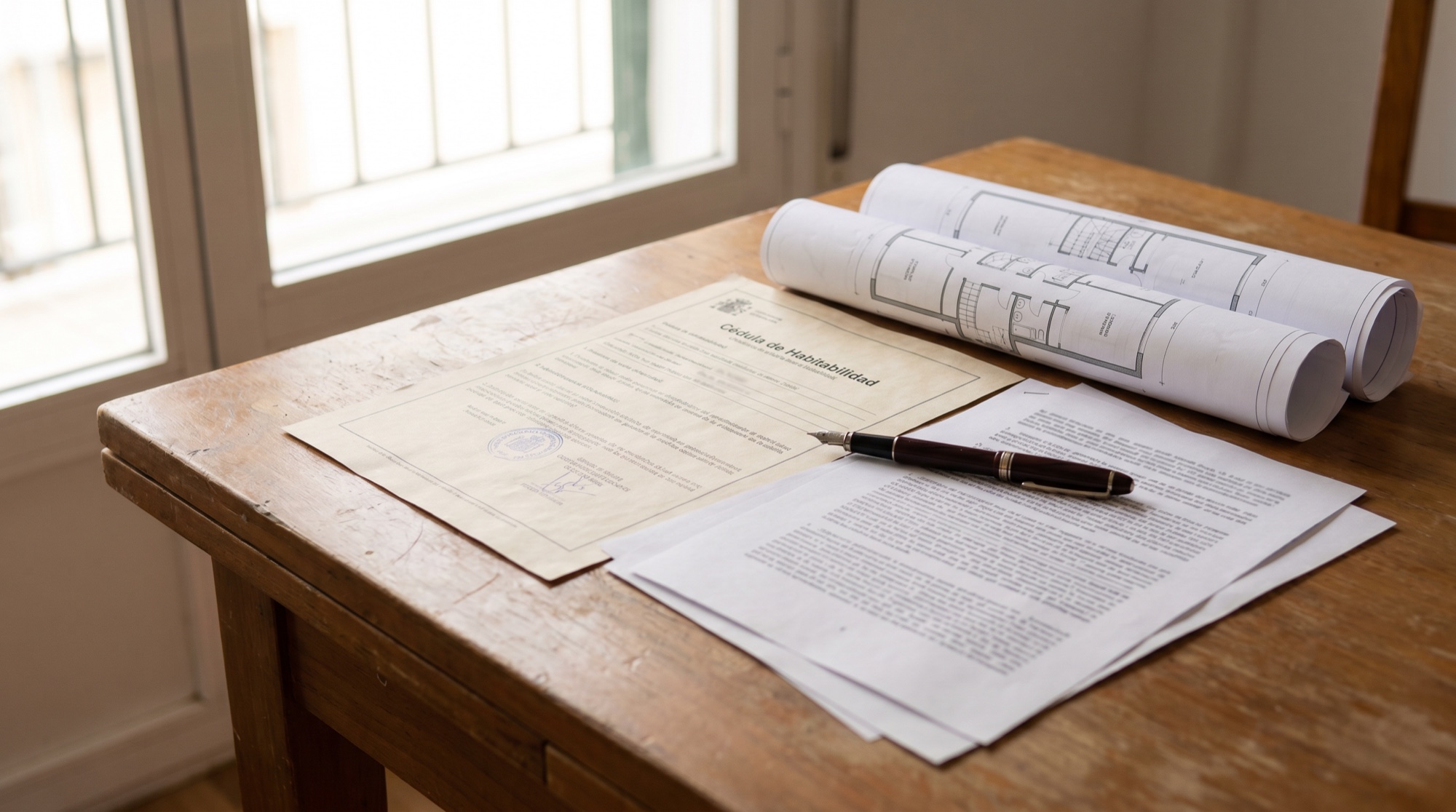
Not every renovation requires the same permits, but skipping this step can prove very costly. In Cádiz, minor works, such as replacing floors, renovating a bathroom, or repainting, require a declaración responsable (self-certification notice) submitted to the Municipal Urban Planning Office. Council fees for minor works are typically in the region of €60–120, and approval is essentially immediate, meaning you can start within a matter of days.
Major works, a full renovation involving structural changes, facade alterations, or the opening of new openings in load-bearing walls, require a licencia de obra mayor (major works licence), with a technical project signed by an architect and endorsed by the relevant professional body. This process can take between one and three months to resolve, and fees range from 2% to 4% of the total project budget. In the historic centre of Cádiz, any intervention to a facade must also receive authorisation from the Provincial Heritage Commission, which can add a further two to four weeks to the process.
- Declaración responsable de obra menor: required for renovations without structural changes. Cost: €60–120 in council fees.
- Licencia de obra mayor: required if you are touching the structure, facade, or layout involving load-bearing walls. Cost: 2–4% of the project budget.
- Public highway occupation permit: required if you need a skip or scaffolding on the pavement. Cost: €50–80.
- Heritage Commission authorisation: required for facade works in the historic centre of Cádiz. Additional lead time: 2–4 weeks.
- Written notice to the residents' association: must state dates, working hours, and the nature of the works.
Carrying out work without the correct permits in place can result in fines of between €600 and €6,000 for minor works, and up to €30,000 for major works carried out without a licence. At Reformas By Bianca we advise you on exactly which permits your particular project requires and support you through the application process, so you don't waste time or run the risk of penalties.
How to plan where to live during a renovation in Cádiz
If you're having a full renovation, living alongside the works for weeks on end is practically impossible: without a functioning kitchen or bathroom and with constant dust, day-to-day life becomes untenable. The most common option among our clients is to move in temporarily with family. If that isn't feasible, Cádiz offers some reasonable alternatives. A holiday let in the low season (October to May) can be found from €500–700 per month in areas such as Bahía Blanca, La Laguna, or Cortadura, while in the historic centre prices rise to €800–1,200 per month.
For partial renovations (a bathroom, the kitchen, or a single room) it's usually possible to remain in the property. In these cases, plan your routine carefully: if the only bathroom is being renovated, agree with the contractor on a working schedule that allows you to use it in the evenings at least, or arrange a temporary solution such as a portable toilet. If the kitchen is out of action, set up a corner with a microwave, kettle, and small fridge in another room. These are temporary inconveniences, but with a bit of organisation they're entirely manageable.
Bear in mind that a full renovation of an 80 m² flat in Cádiz typically takes between 8 and 12 weeks, assuming no major unforeseen issues arise. A partial kitchen renovation can be completed in 3–4 weeks, and a bathroom in 2–3 weeks. Knowing these timescales will help you plan any temporary accommodation realistically and negotiate rental terms more effectively if you need to stay elsewhere.
What to ask your renovation company before work starts
Before work gets under way, sit down with your renovation company and get all your questions answered. Good communication at the outset prevents around 80% of the disputes that tend to arise during a project. These are the questions we consider essential, the ones our own clients ask us most regularly before work begins.
- What is the estimated completion time, and what could cause delays? Ask for a week-by-week breakdown of the project phases.
- Who will be the site manager or main point of contact on a daily basis? You need a single, consistent person to speak to, not a different tradesperson each day.
- Does the quote include materials, labour, waste removal, and a final clean? Confirm exactly what is included and what will be charged as an extra.
- What guarantee do you offer on the work carried out? In Spain, the law provides guarantees of one year for finishing defects, three years for habitability issues, and ten years for structural damage.
- Do you have public liability insurance? This is essential to cover any damage to your property, a neighbour's property, or any third party.
- How are changes or unforeseen issues handled during the renovation? Make sure any variation to the original quote is communicated and approved in writing before the work is carried out.
- What are the payment terms and schedule? The standard arrangement is 30–40% upfront, staged payments as the work progresses, and a final 10–15% on completion.
At Reformas By Bianca we provide every client with a detailed schedule before work begins, assign a site manager who is reachable by phone and WhatsApp, and document weekly progress with photographs. We believe transparency isn't an optional extra, it's the foundation of any renovation done properly.
Final checklist: your home ready for renovation
We've brought all the preparatory steps together in a practical checklist so nothing gets overlooked. Go through this list a few days before work is due to start and tick off each item as it's done. If you're unsure about anything, don't hesitate to get in touch.
- Clear the rooms being renovated and move valuables to a safe location.
- Create a full photographic record of the property's current condition.
- Disconnect and empty appliances in the work area.
- Locate and label the water stopcock, gas valve, and consumer unit.
- Cover floors with protective card and wrap any furniture that can't be removed.
- Seal rooms not being renovated with plastic sheeting and tape to contain dust.
- Notify the residents' association in writing, including dates, working hours, and the nature of the works.
- Confirm that council permits and licences have been approved or submitted.
- Apply for a public highway occupation permit if a skip is required.
- Hand over keys to the renovation company along with a signed key custody document.
- Plan where you will stay if it's a full renovation: with family, in a short-term let, or in a hotel.
- Set up a functioning corner with a microwave and small fridge if the kitchen will be out of use.
- Meet with the company to go over the schedule, quote, guarantees, and payment terms.
- Keep key documents to hand: the works contract, signed quote, plans, and permits.
Preparing your home for a renovation in Cádiz needn't be daunting if you follow a logical order and have the support of professionals to guide you through each stage. At Reformas By Bianca we're by your side from day one, even before work begins. If you're thinking about renovating your home, get in touch for a free visit and a no-obligation quote tailored to your property and your needs.